abedul = k’ishchíí, “red alder”
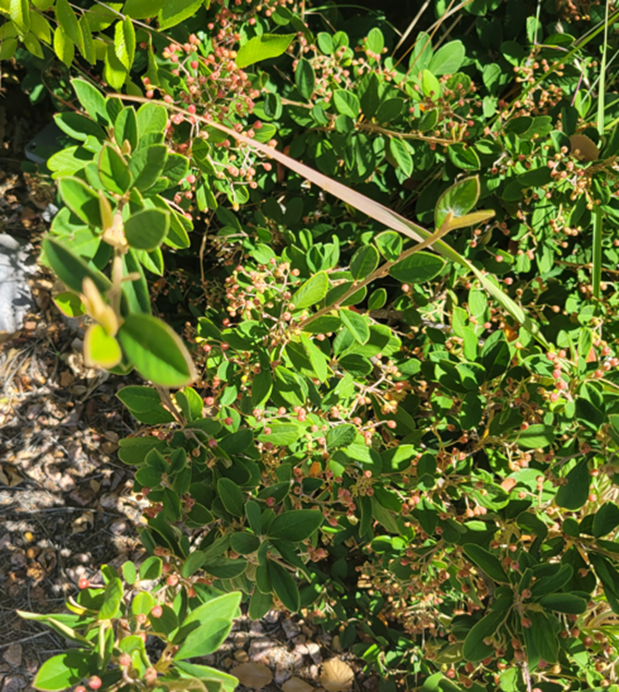
álamo, chopo = t’iis bit’ąą’ niteelígíí, “the one tree that used to have a big leave”
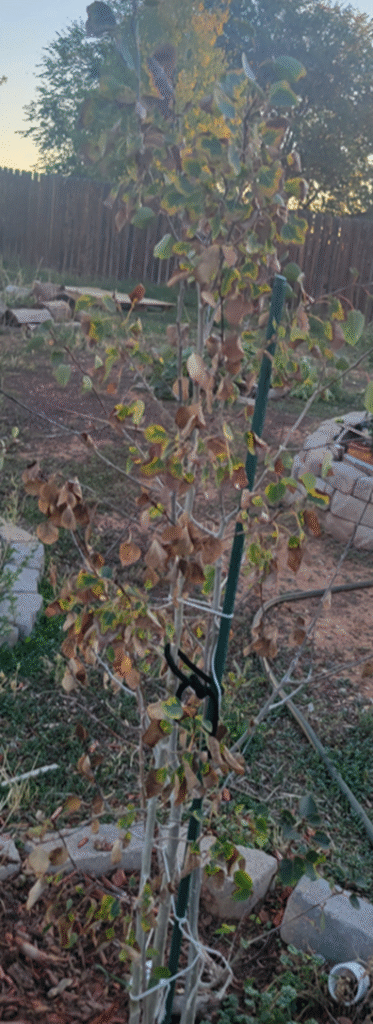
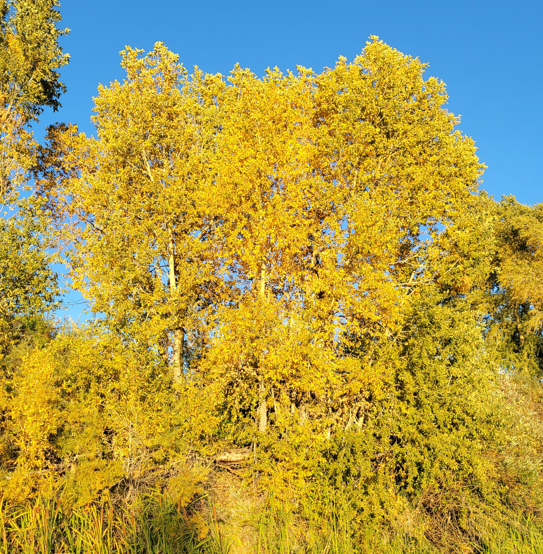
amaranto, coime, huautli, kiwicha (pequeño Guerrero en lengua quechua) = naazkaadii, “the one that moved in abundance repeatedly”
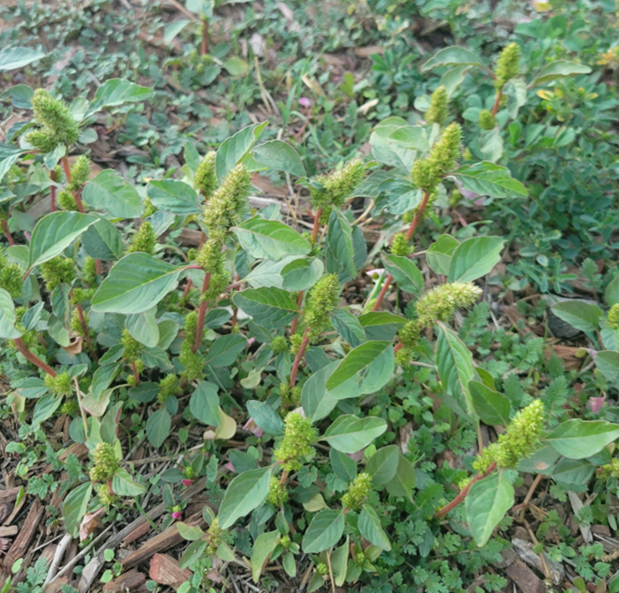
arce = sóól, “the box elder”
“box elder”
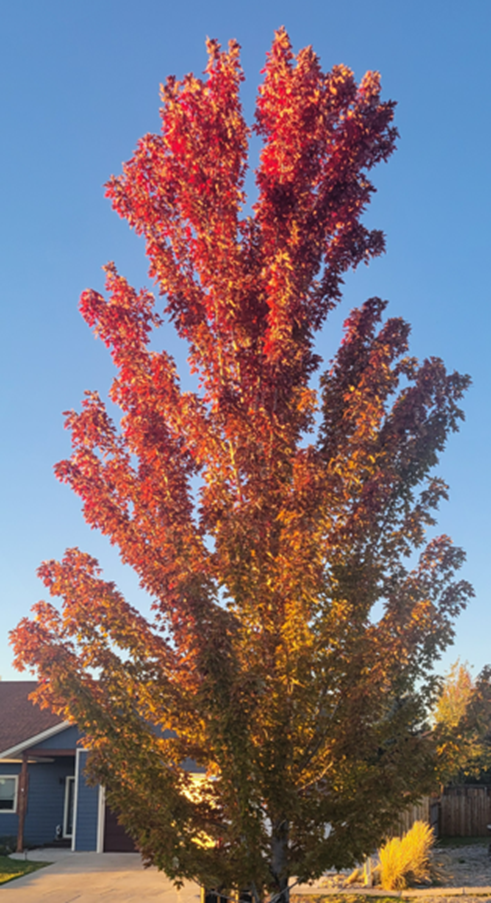
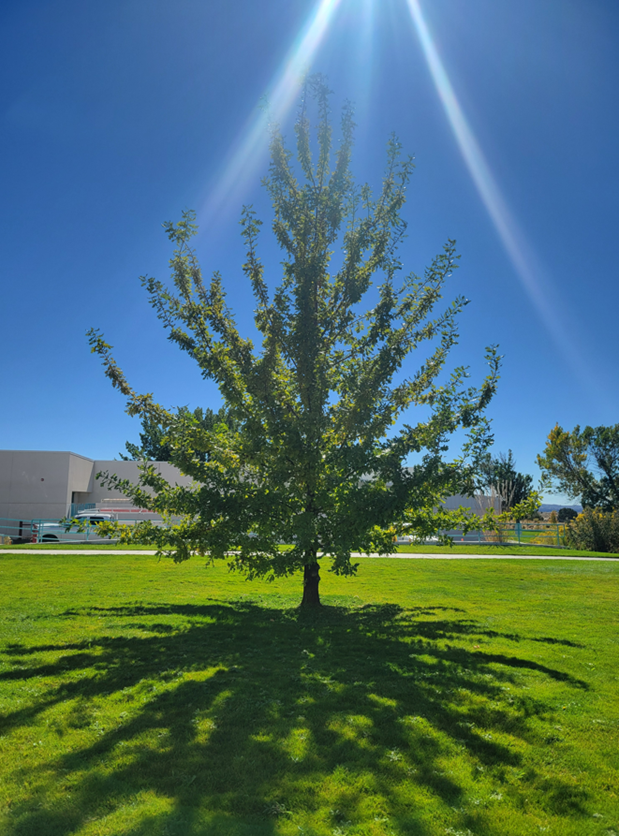
artemisa = ts’ah
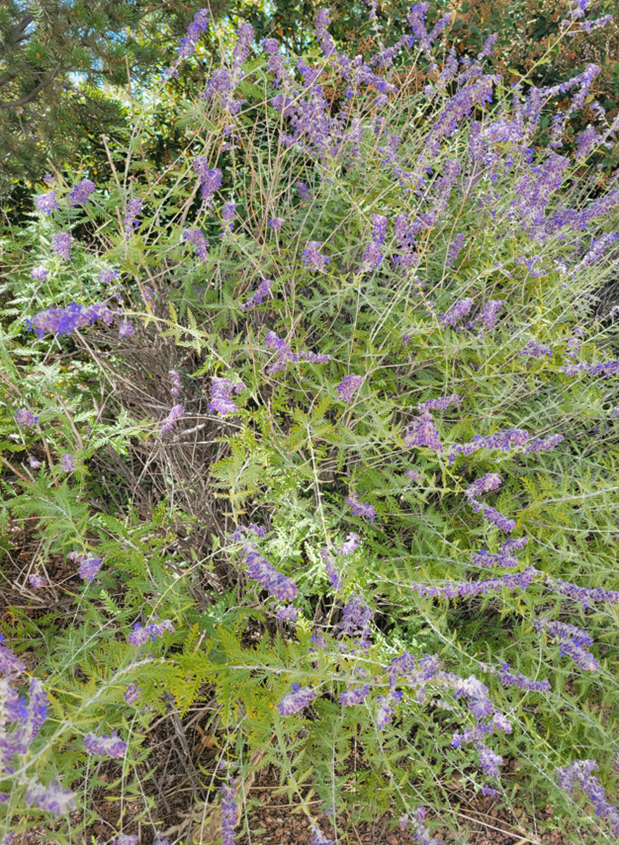
asclepia, algodoncillo = ch’il’abe’, “milky plant”
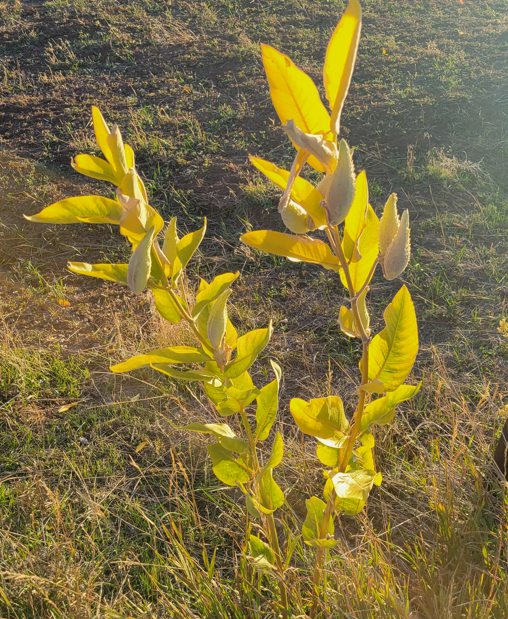
azee’ ná’ołtá adiitsoh, “the big medical teachings for all of you”
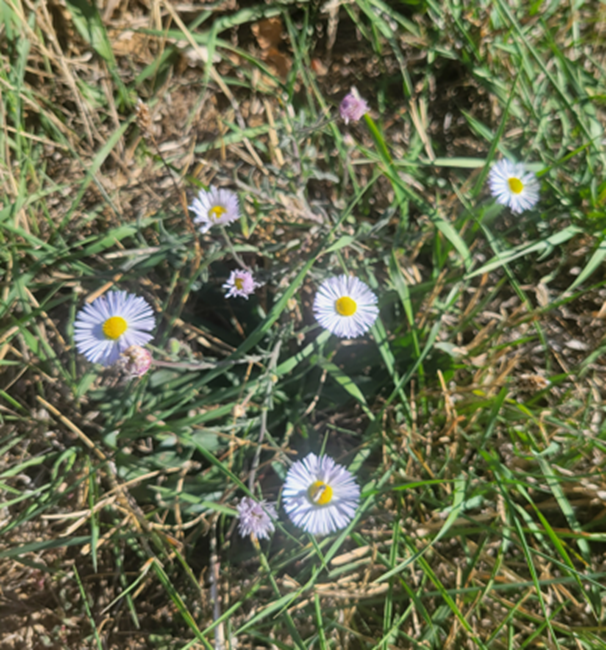
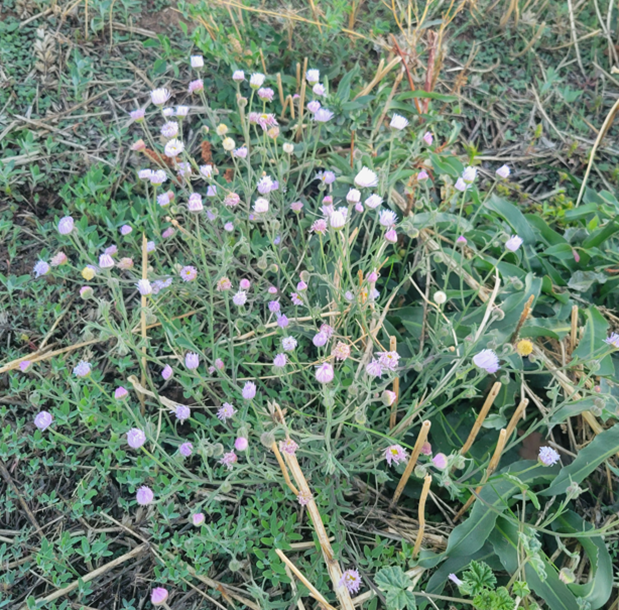
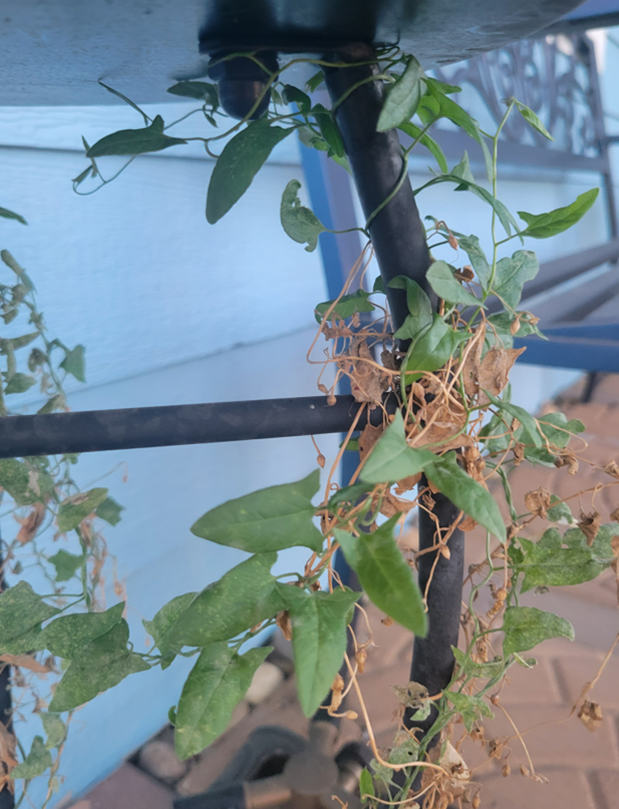
bejuco ubí macho = bit’ąą ashdla’ii, “its five leafs”
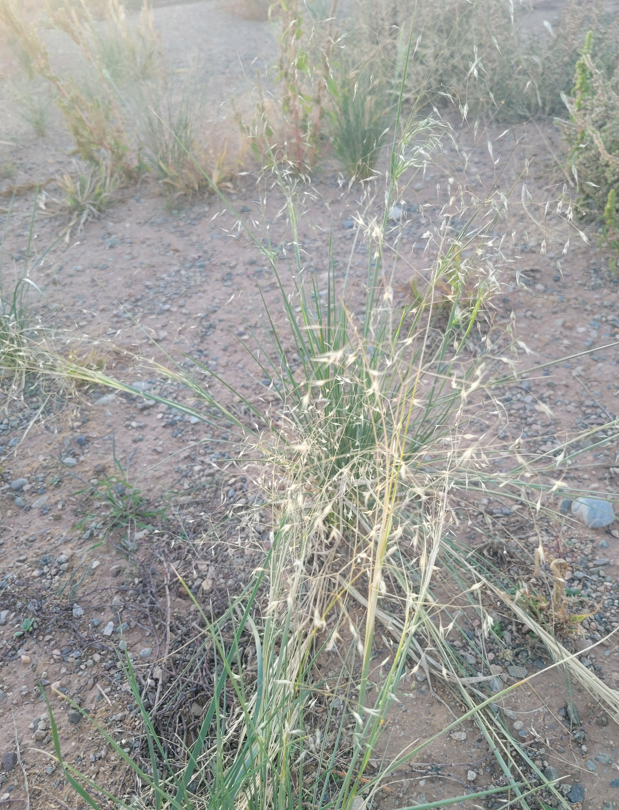
bromo, forraje = ye’iibe’ets’os “the giant with its seven directions”
calabaza, zapallo, ahuyama = naayízí łitsxo, “yellow fruit the starts sitting repeatedly”
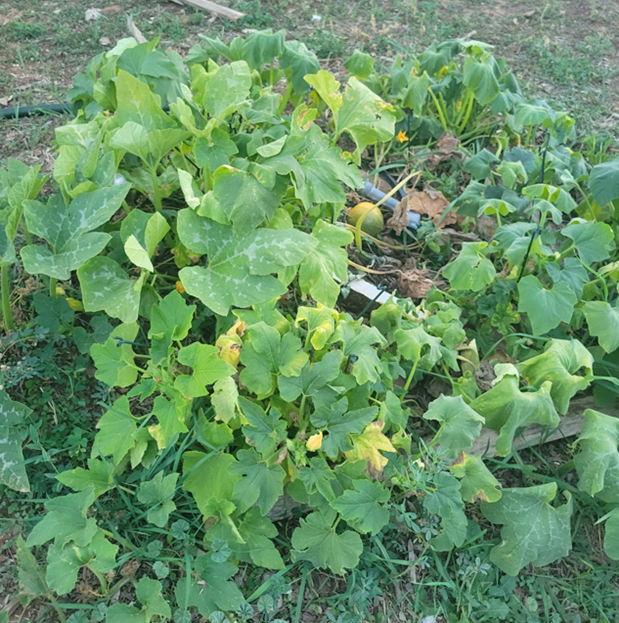
cardo ruso = ch’il deeníní, “sharp plant”
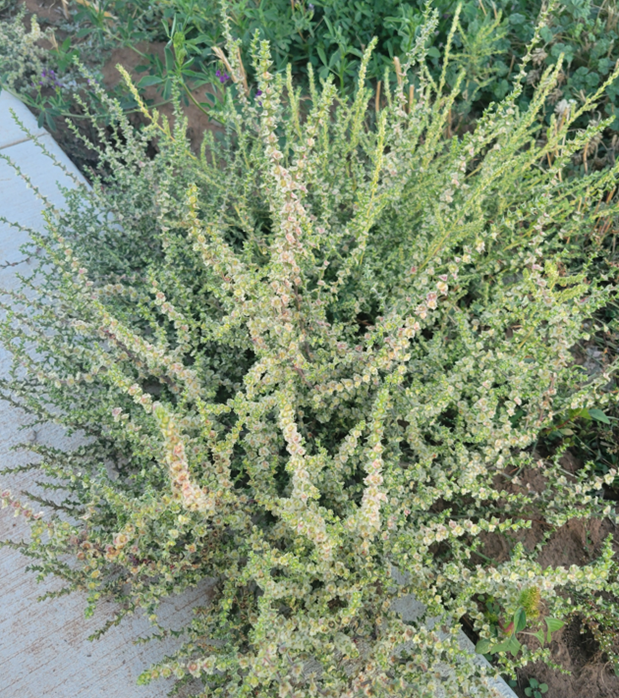
ch’il diilyésiitsoh, “plant that brings itself into contact”
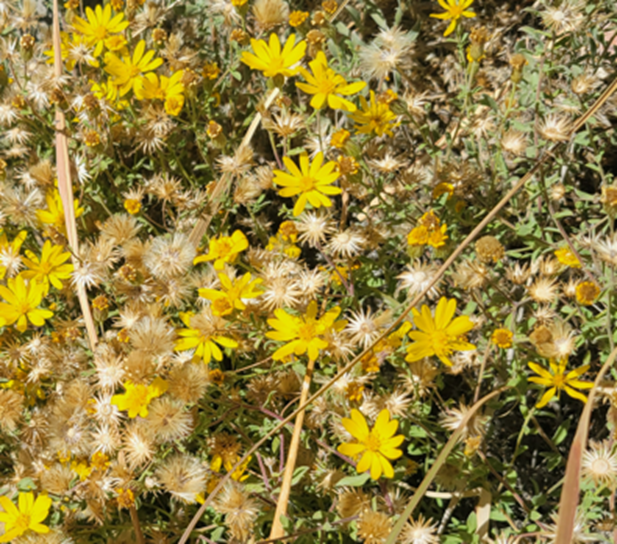
compuestas = k’iiłtsoí nitsaaígíí, “the yellow on the top that is big”
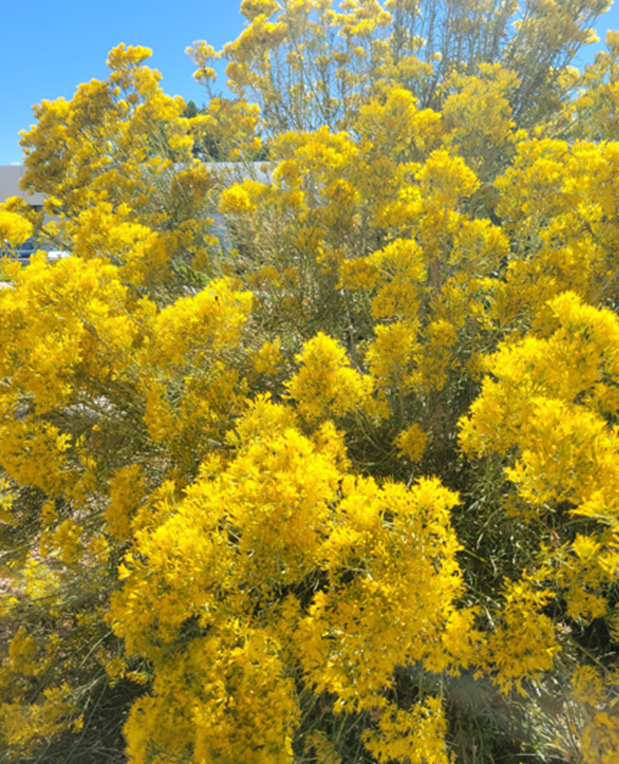
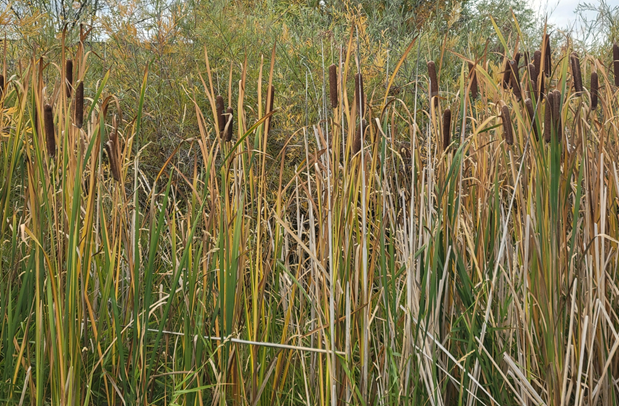
espadaña, gladio, totora, boga, enea, nea, anea o inea = teeł nitsaaígíí “tail (of an animal) which is big”
dondiego de noche, dompedros, periquito, maravilla del Perú, clavellina o nochera = tsédédééh “the one that moves through the air by adhering to the rock”
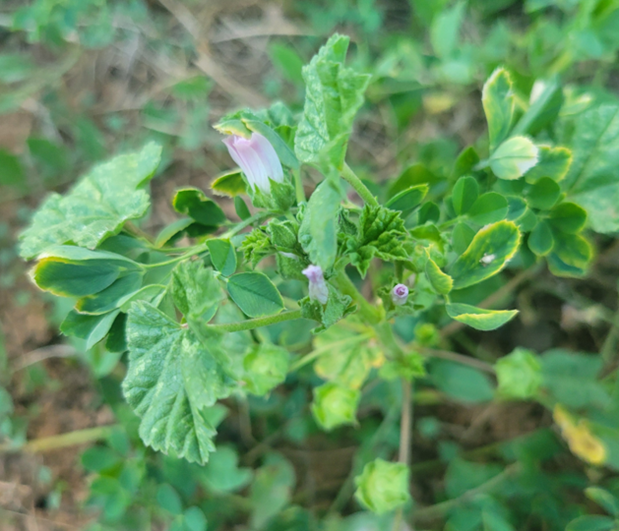
malva = azee’ bilátah łigaii, “the white medicine with its flowers”
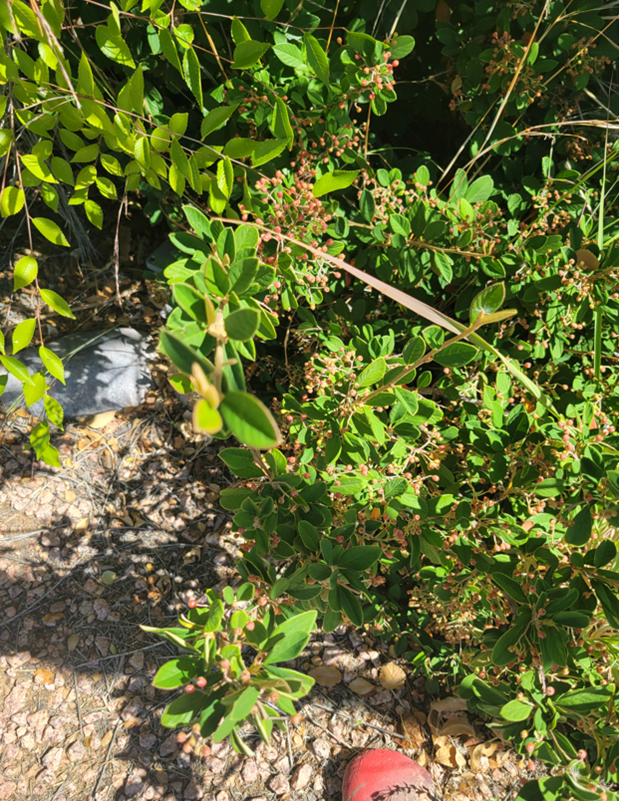
manzanita o gayubas = dinastsoh, “big berry plant”
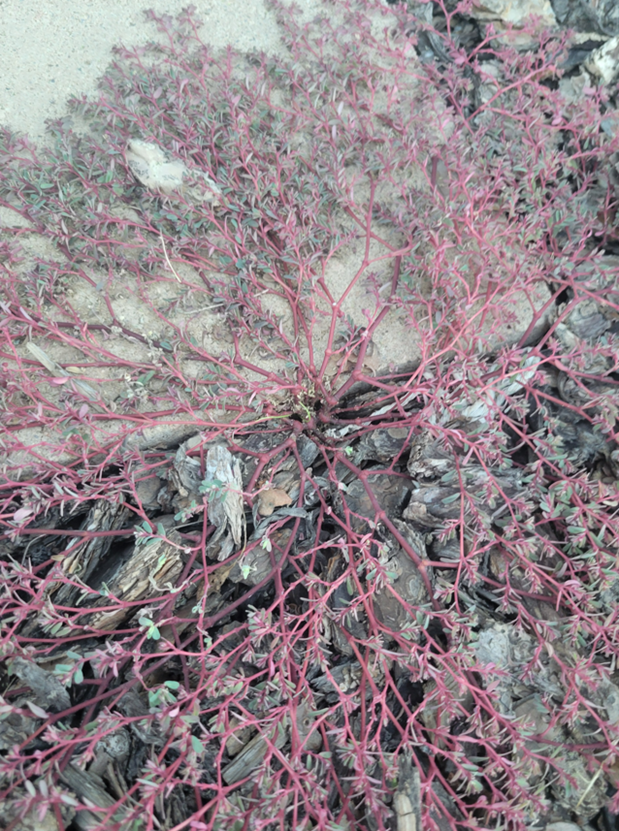
nididlíídii, “group that starts drinking out”
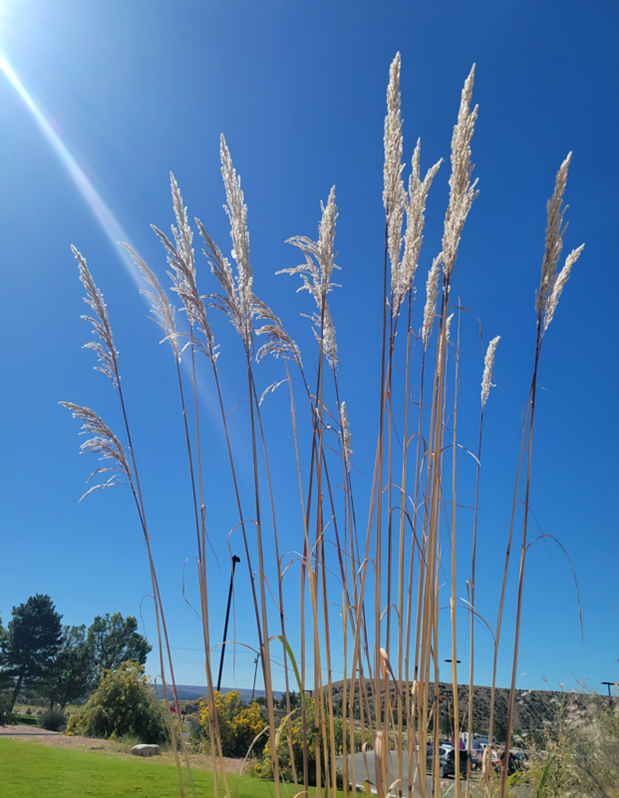
pasto de trigo = tł’oh nitł’izí, “hard grass that breaks easily”
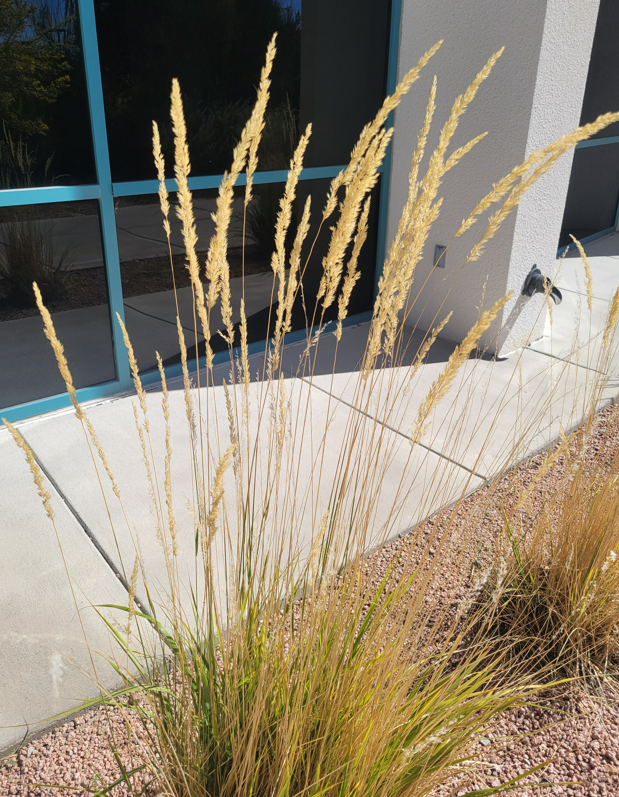
pino = ńdíshchííʼ “red that extends up and out”

plátano = biih yiljaa’í, “what the deer hears”
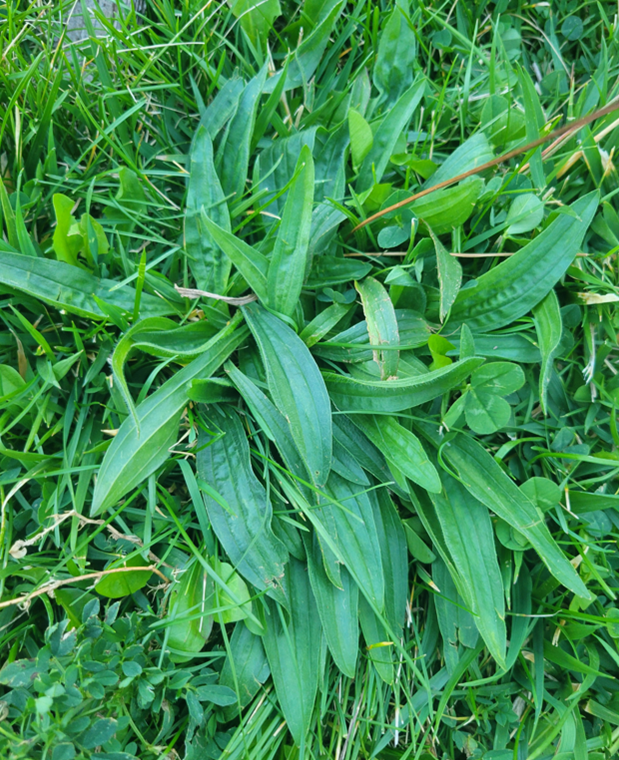
sauce = k’ai’ łíbáhígíí, “gray willow”
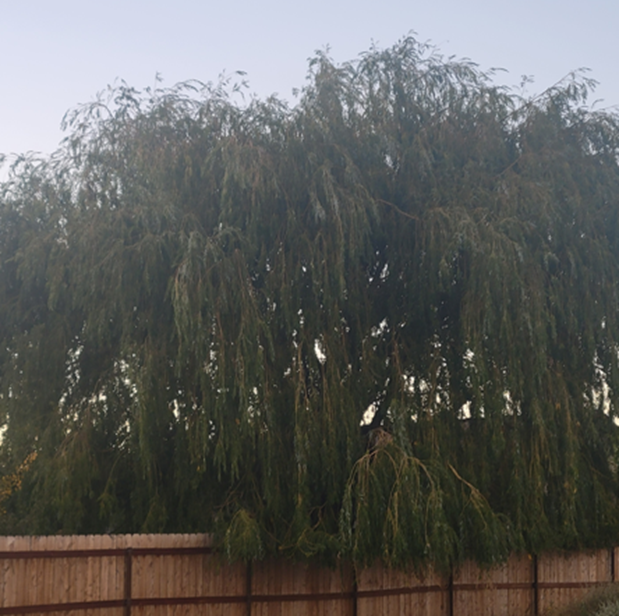
tamaris, taray, taraje o talaya = gad ni’eełii łíchí’ígíí, “juniper with red things that float”
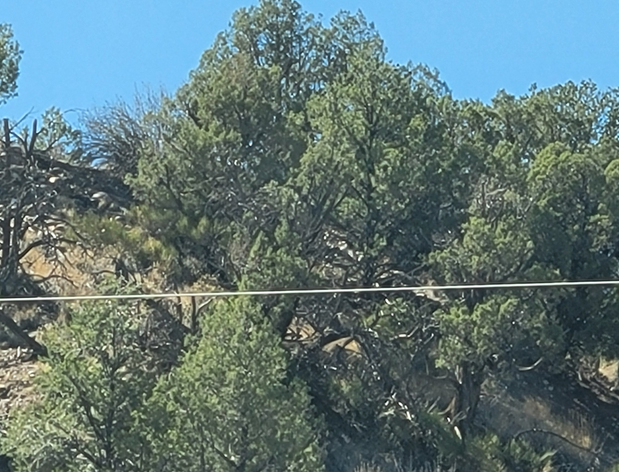
trébol de olor = azeets’óóz, “long, flexible and narrow medicine”
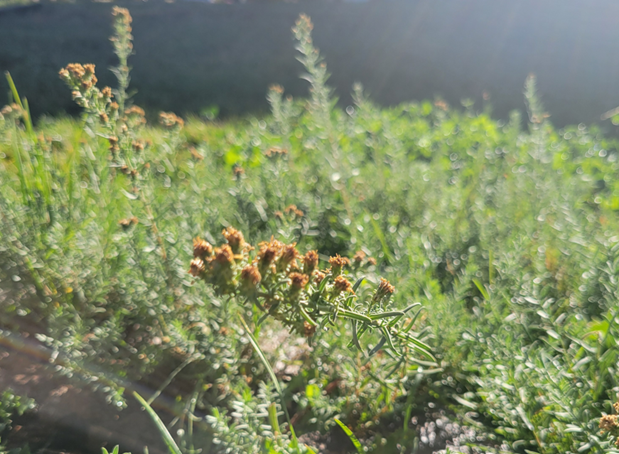
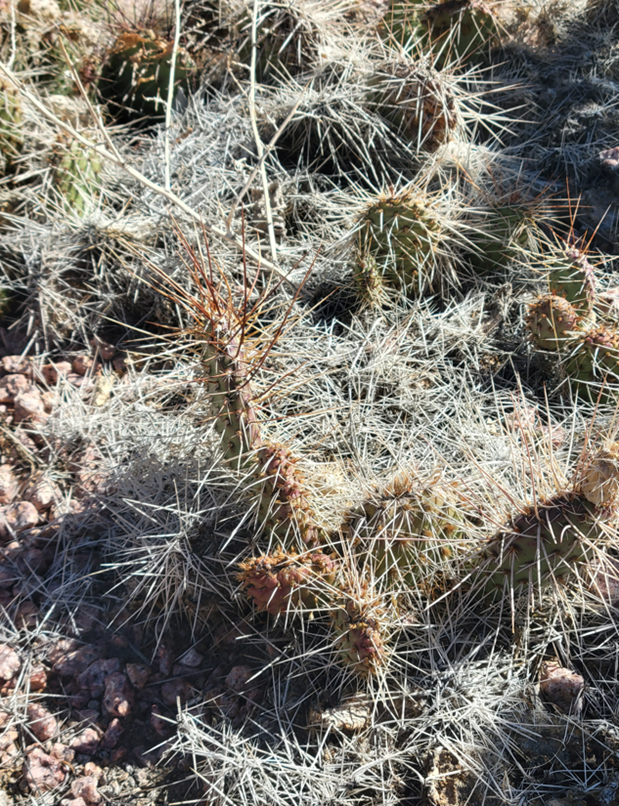
tuna, nopal, chumbera, higo chumbo = hosh níteelí, “broad cactus”
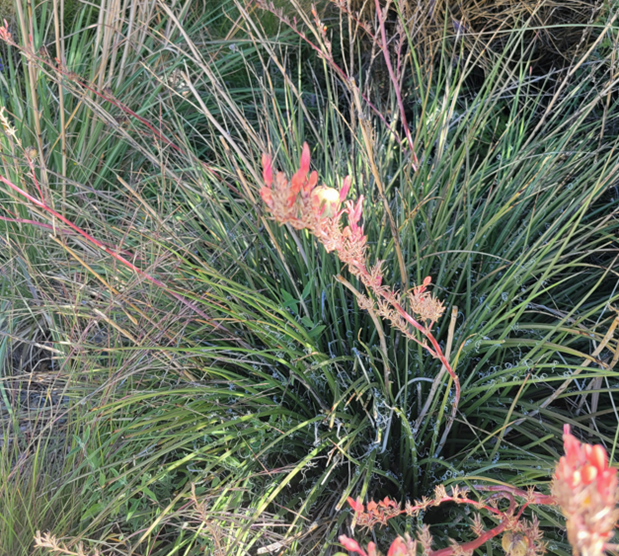
yuca = tsá’́aszi’ts’óóz, “yucca that stays flexible, long and narrow on its own”
Sources:
- glosble
- wiktionary
- wordreference
- wikipedia
- photos by us (use freely and credit us)
- translation by us
- us=Corpus Of Diné Bizaad